-
Magnetometers and MEMS
Magnetometers One of the earliest sensors that humans made to aid us as we navigated the world, was the compass. Long before the accelerometer, the gieger counter, or the frog leg oscilloscope, nearly one thousand years ago inventors in China noticed that a lodestone (a natural magnet) would align itself in a consistent direction if…
-
Resisting the Heat
Resistance-Temperature Sensors, RTDs and Thermistors I was at an event recently and one of the topics was sensor basics, brilliant, right in my wheelhouse. The presenter started a section on thermo-couples by discussing the range of sensor types available and listed both RTDs (Resistance Temperature Detectors) and Thermistors (Thermal-resistors) as competing sensor types to Thermo-couples…
-
Digital Voltmeters – The Fundamental Device for Measurement Engineering – and the Modern World.
Analogue-to-digital Conversion In one of the earliest articles from this series, we briefly looked at Galvanometers and discussed how they formed the core of many electrical sensors of their day. Today, we’re looking at the device that replaced them. In its purest sense, a digital voltmeter is not a transducer, whereas a galvanometer converts current…
-
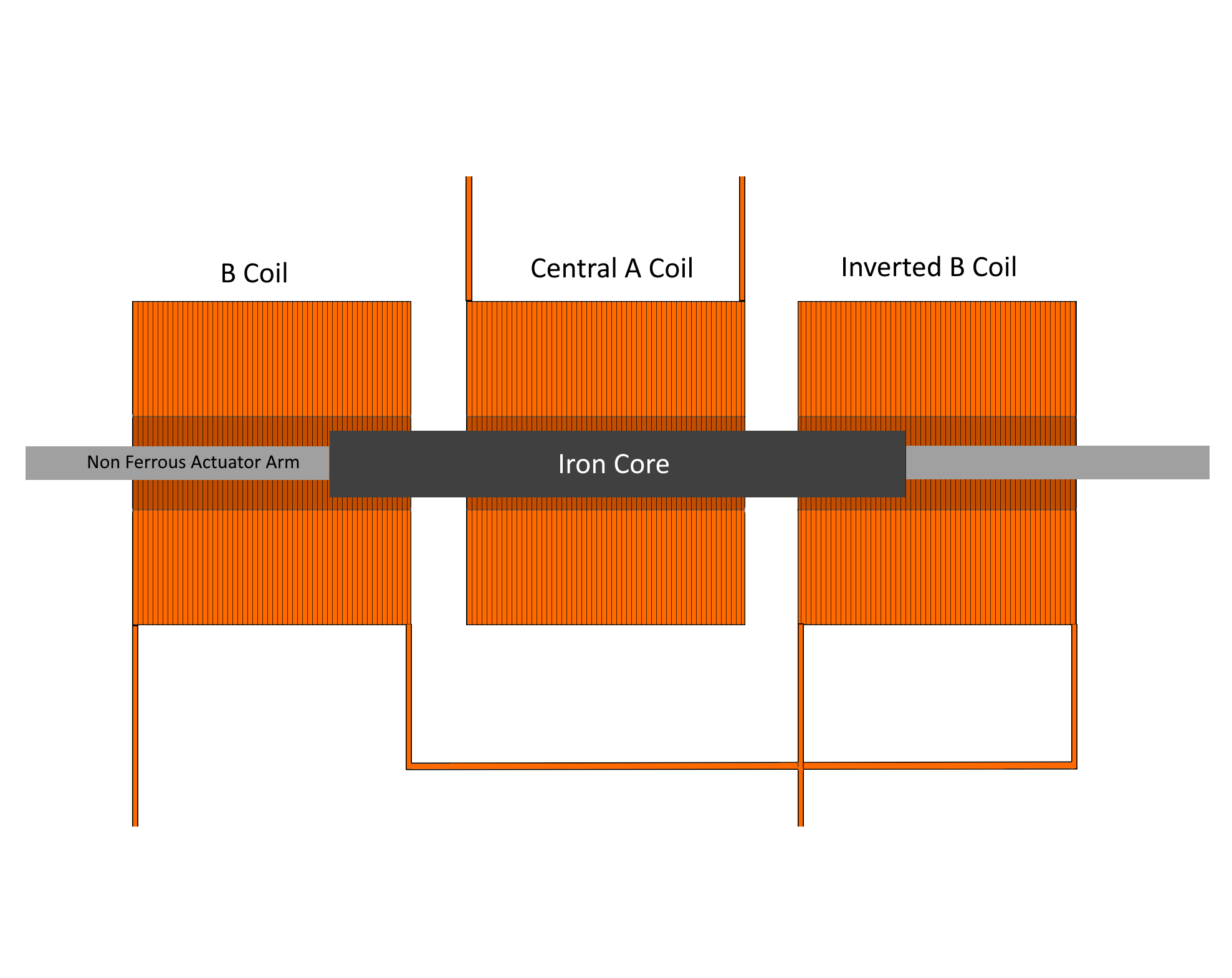
What on earth is a differential Transformer? Explaining the LVDT.
LVDTs In an earlier article in this series, we looked at proximity probes and discussed the challenges of measuring distance and displacement electronically. Now it’s time to look at one of the other key transducers used to tackle this problem. Very often we are presented with a case where one object moves in relation to…
-
Under Pressure – The Pressure Transducer
Pressure Transducers In industry, we deal extensively with pressure. We do in our day-to-day lives as well. For decades, many buildings had a barometer, a pressure sensor, to provide information about weather patterns. Small changes in atmospheric pressure can have a massive effect on whether the sun shines, or if we are covered in rain.…
-
Accelerometers
Accelerometers In the field Instrumentation and Test, we are often forced to use proxies. We can’t measure what we need to know, either because the technology to do it does not exist or because it would be impractical to do so. When situations like this arise, we need to find something else we can measure…
-
Volts or Amps – the crucial question.
Volts or Amps In a past Transducer Thursday we looked at Galvanometers, in an upcoming article we’ll look at digital voltmeters. Both have been used to create read outs from sensor data. That therefore leads to a question, what do we want transducers to output? A current variant signal or a voltage variant signal? In…
-
Magmeters
Magmeter – Magnetic Flow Metres How do you measure flow through a pipe? It’s a trickeier problem than it initially sounds. It’s also a question with many answers. Many approaches centre around pressure transducers measuring total pressure and static pressure to then infer dynamic pressure and therefore fluid velocity. Although this means that the density…
-
Thermocouple
The Thermocouple Many of the transducers we’ve looked at over the last few weeks really are not transducers in the strictest sense, they don’t change a form of energy into another. Other items we’ve looked at, tend to exploit electro-magnetism and changes in fields to produce measurable results, all interesting and fascinating in their own…
-
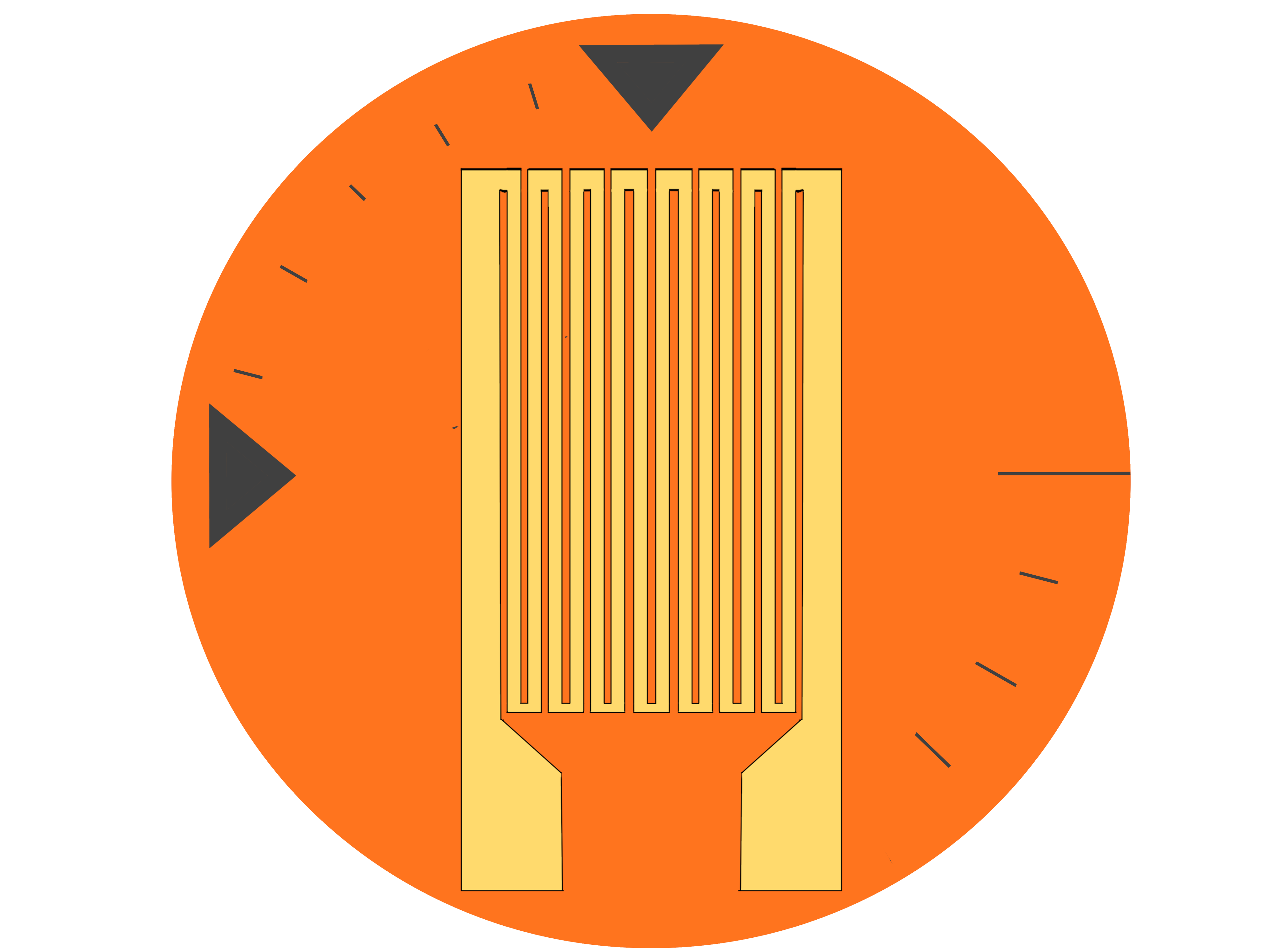
Strain Gauges
The Strain Gauge The humble strain gauge, technically, speaking, is not a transducer as it doesn’t transfer energy from one form to another. However, given it is fundamental to a wide range of engineering analysis in the modern world, and Flintmore have extensive experience working with them, it felt wrong to exclude it from transducer…